Clay vs. Concrete Tile Roof Replacement: Key Differences
People seeking tile roof replacement often want to understand the differences between clay and concrete tiles, and local contractors can help determine the best option and handle the installation.
If you're considering a roof replacement and exploring options for tile materials, understanding the key differences between clay and concrete tiles is essential. Property owners in the area often seek guidance on which material best suits their home's style, durability needs, and long-term performance. This page provides practical insights into the distinct characteristics of clay versus concrete tile roof replacements, helping you make informed decisions. Local contractors specializing in tile roof replacement can assist in evaluating these options, ensuring that your new roof aligns with your property's unique requirements.
Exploring the differences between clay and concrete tile roofs is a common step for homeowners looking to enhance or replace their existing roofing. Each material offers its own set of benefits and considerations, from aesthetic appeal to longevity and maintenance needs. Property owners who understand these distinctions are better equipped to choose a solution that fits their goals. Service providers in the area are ready to support this process, offering expert advice and quality installation to help achieve a durable, attractive roof tailored to your property’s specific circumstances.
- Clay tile roof replacement - homeowners considering durability and traditional aesthetics often seek this service, with local contractors emphasizing careful handling of the heavy material.
- Concrete tile roof replacement - property owners needing a cost-effective and versatile option turn to local service providers experienced in installing lighter and more customizable concrete tiles.
- Clay vs. concrete tile roof replacement: key differences - individuals weighing material options consult local pros for insights on longevity, weight considerations, and style preferences.
- Clay tile roof replacement - those replacing aging or damaged clay tiles rely on local contractors to ensure proper installation that preserves the natural look and durability.
- Concrete tile roof replacement - clients wanting a quicker or more affordable upgrade often work with local pros skilled in handling the installation of lightweight, durable concrete tiles.
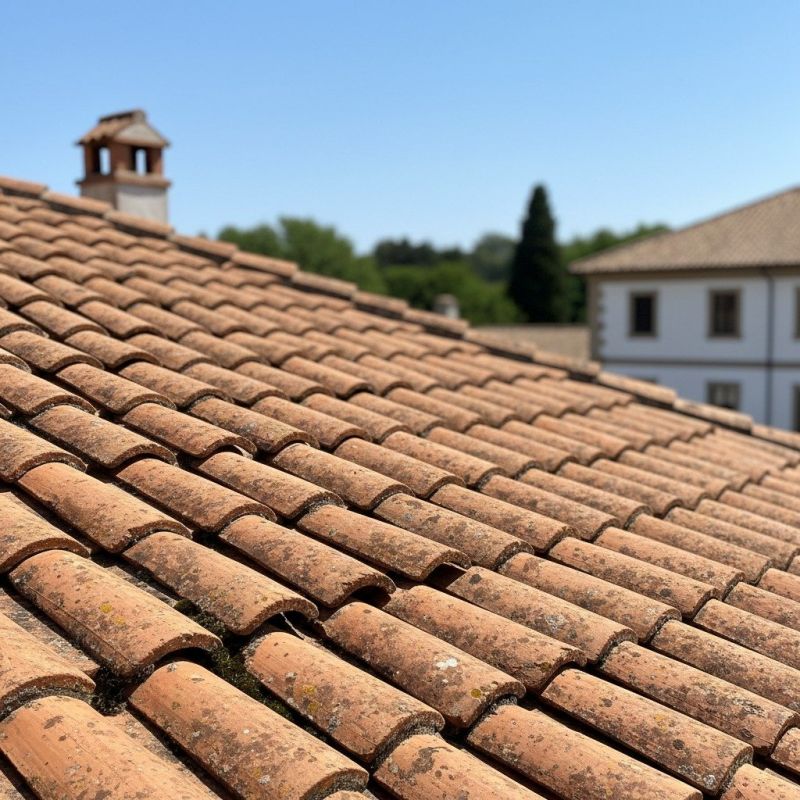
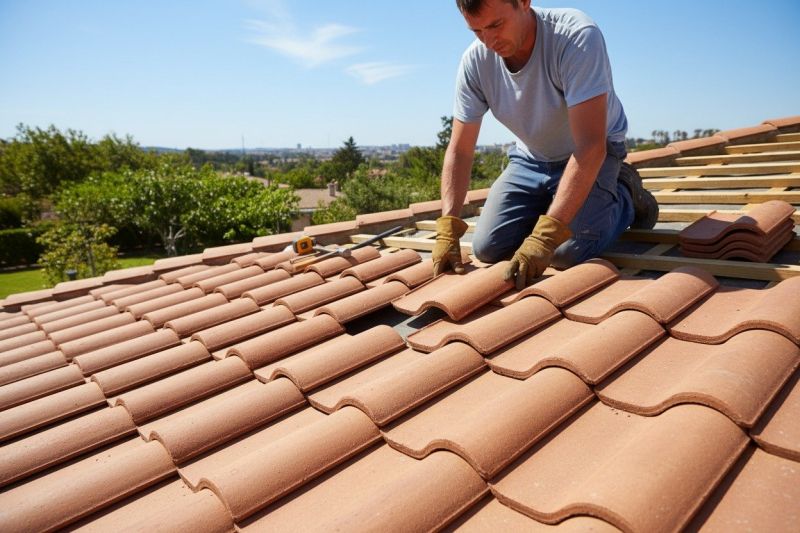
When homeowners search for information about clay vs. concrete tile roof replacement, they are often exploring options for upgrading or repairing an existing tile roof. This topic typically comes up during planning for a roof overhaul, addressing damage from weather, or considering a style update that enhances curb appeal. Property owners may also be evaluating the long-term durability and maintenance needs of different tile materials to ensure their investment stands the test of time. Understanding the key differences helps homeowners make informed decisions that align with their property’s architectural style, local climate conditions, and personal preferences.
The discussion about clay vs. concrete tile roof replacement is closely related to various property-related concerns. For example, homeowners dealing with cracked or broken tiles might seek guidance on whether a full replacement is necessary or if repairs suffice. Others may be planning a reroof to improve energy efficiency or to meet building codes. This topic also ties into considerations about weight load, as different tile types have varying structural requirements. Local contractors experienced in tile roof replacement can assess these factors and recommend the most suitable material, ensuring the new roof meets both aesthetic and functional needs.
Properties that typically come up in these conversations include residential homes, especially those with Mediterranean, Spanish, or Southwestern architectural styles, which often feature clay or concrete tiles. Multi-family buildings, such as apartment complexes or condominiums, may also require tile roof replacements when upgrading their exterior appearance or addressing structural issues. Additionally, commercial properties with tiled roofing systems sometimes seek replacements due to age or damage. In all cases, local service providers can evaluate the specific property’s characteristics-such as roof slope, existing material, and local climate-to help determine whether clay or concrete tiles are the best choice for a replacement project.
Understanding the differences between clay and concrete tile roofing is essential for homeowners planning a roof replacement. Clay tiles are typically made from natural clay and fired at high temperatures, resulting in a lightweight, durable, and aesthetically distinctive product. Concrete tiles, on the other hand, are made from a mixture of cement, sand, and water, offering a more affordable option with a broader range of styles and colors. Both types can enhance a property’s appearance and provide weather resistance, but they differ in weight, cost, and maintenance needs. Local contractors specializing in tile roof replacement can guide property owners through these differences, helping them select the material that best suits their property’s design and structural requirements.
Roof framing and structural reinforcement - projects involving roof replacement often require assessment and modification of the roof structure, similar to installing or replacing tile roofing materials.
Weatherproofing and waterproofing systems - ensuring proper sealing and protection against water intrusion is essential in both tile roof replacement and related roofing projects.
Roof insulation upgrades - improving attic insulation during roof replacements shares planning and installation skills with tile roofing projects.
Flashing and valley installation - proper flashing techniques are critical for preventing leaks in tile roofs and other roofing systems.
Skylight and vent installation - integrating new openings into roofing structures involves similar planning and skill sets as tile roof replacement.
Roof inspection and damage assessment - evaluating existing roof conditions is a key step that overlaps with the planning phase of tile roof replacement projects.

When evaluating contractors for a tile roof replacement, it’s essential to consider their experience with similar projects, particularly those involving clay and concrete tile options. Homeowners should inquire about the types of tile roofs they have previously installed or replaced, focusing on projects comparable in size and style. Contractors with a proven track record in handling both clay and concrete tiles are more likely to understand the nuances of installation, material handling, and potential challenges specific to each type. This experience can help ensure that the chosen service provider is well-versed in the unique requirements of each material, leading to a more successful and durable roof replacement.
Clear, written expectations are a vital part of choosing the right local contractor for a tile roof project. Homeowners should seek detailed proposals that outline the scope of work, materials to be used, and the steps involved in the replacement process. Having this information in writing helps prevent misunderstandings and provides a basis for comparing different service providers. It’s also beneficial to ask for reputable references from previous clients who had similar tile roof projects, as this can offer insights into the contractor’s reliability, quality of work, and professionalism. Good communication throughout the project is key to ensuring that expectations are met and that any questions or concerns are addressed promptly.
When comparing local contractors for tile roof replacement services, it’s important to evaluate how well they communicate and how transparent they are about their process. Service providers who clearly explain the differences between clay and concrete tiles, including installation considerations and maintenance, demonstrate a thorough understanding of the materials. Reputable contractors should be willing to answer questions and provide guidance tailored to the homeowner’s specific needs. Good communication helps homeowners feel confident in their choice, knowing they are working with someone who is knowledgeable, transparent, and attentive to details that can impact the longevity and appearance of their new tile roof.
Property owners often search for clay vs. concrete tile roof replacement: key differences when they are planning practical projects around their homes and businesses. Local pros provide Tile Roof Replacement services for everyday jobs and straightforward project options.
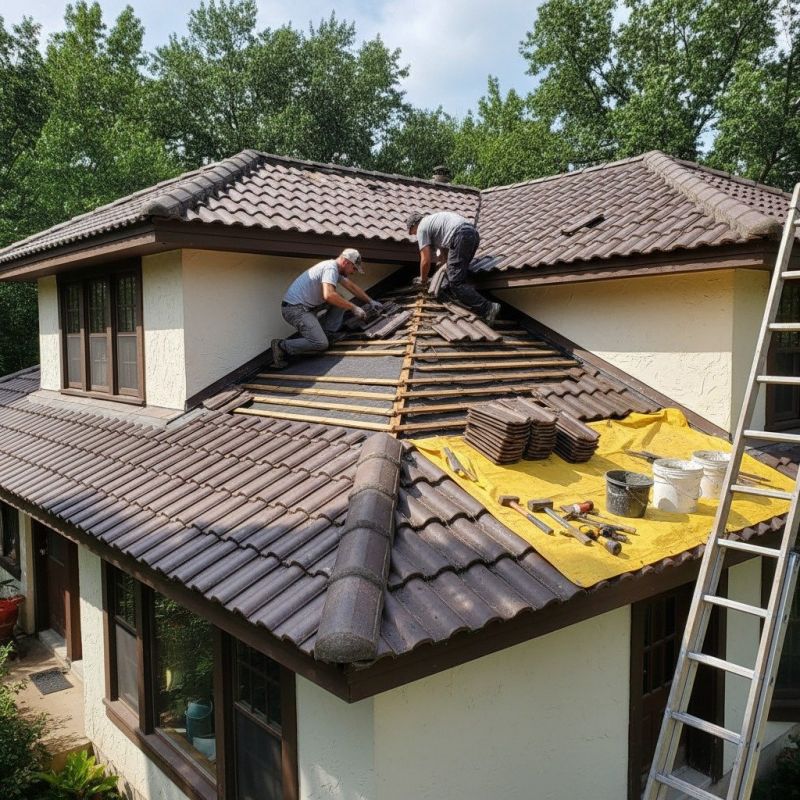
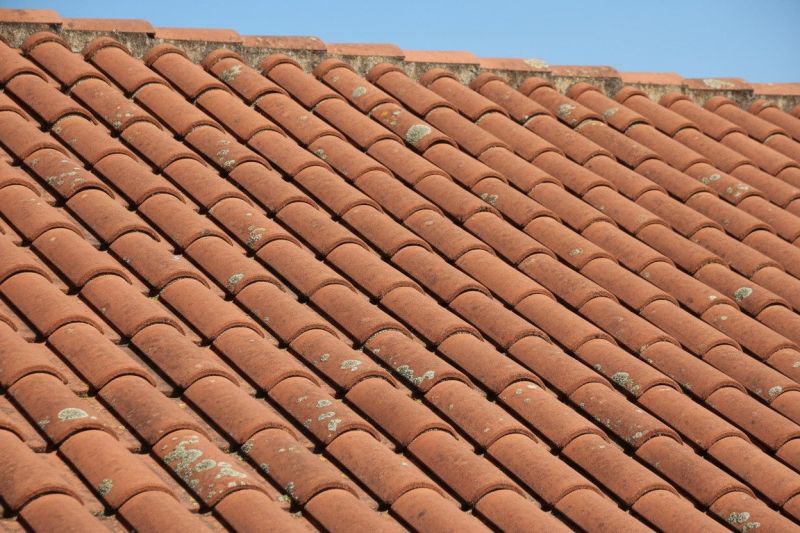
Homeowners considering a tile roof replacement often look into the differences between clay and concrete tiles to determine the best option for their property. In everyday project situations, property owners may want to understand how each material performs in terms of durability, weight, and aesthetic appeal. Local contractors who specialize in tile roof replacement can provide insights into these key differences, helping property owners choose the right type based on their specific needs and the structure of their home. Whether prioritizing longevity or matching a particular style, consulting with experienced service providers can ensure the chosen tiles meet both functional and visual expectations.
Property owners might also explore this topic when assessing the scope of a roof replacement project or trying to understand the maintenance involved with each material. Local service providers can explain how clay and concrete tiles differ in installation requirements, longevity, and resistance to weather conditions common in the area. This information can be useful for homeowners planning a replacement that enhances curb appeal while ensuring the roof remains reliable over time. Connecting with local contractors who are familiar with these materials can make the decision-making process clearer and help property owners select the most suitable tile type for their home.
What are the main material differences between clay and concrete tiles for roof replacement? Clay tiles are made from natural clay and are typically more durable and resistant to weathering, while concrete tiles are composed of cement and aggregates, offering a wider variety of styles and colors but generally having a shorter lifespan.
How do clay and concrete tiles compare in terms of weight for roof replacement? Clay tiles tend to be heavier than concrete tiles, which may influence the structural requirements of a roof, and local contractors can assess whether a roof can support the weight of each type during replacement.
Are there differences in the lifespan of clay versus concrete tiles in roof replacement projects? Clay tiles often last longer, sometimes exceeding 50 years, whereas concrete tiles usually have a lifespan of around 30 to 50 years, depending on maintenance and environmental conditions.
What are the aesthetic differences between clay and concrete tiles for roof replacement? Clay tiles typically have a more traditional, warm appearance with natural color variations, while concrete tiles can mimic various styles and are available in a broader range of colors and textures.
Can local service providers advise on which tile type is better suited for a specific roof replacement? Yes, experienced contractors can evaluate the existing roof structure, environmental factors, and aesthetic preferences to recommend whether clay or concrete tiles are a better fit for a replacement project.
Understanding material differences - Property owners can explore how clay and concrete tiles vary in weight, durability, and appearance to choose the best option for their roof replacement project with local contractors.
Assessing climate and environment - Considering local weather conditions can help property owners decide which tile type offers better resistance and longevity, with guidance from experienced service providers.
Matching style and architecture - Homeowners can evaluate how each tile material complements their property's design, working with local pros to select and install the most suitable option.
Planning for installation and maintenance - Property owners can discuss installation requirements and long-term upkeep with local contractors to ensure a successful tile roof replacement based on material choice.
If you are thinking about clay vs. concrete tile roof replacement: key differences for a property, this guide is meant to help you understand this topic, the typical project types, and how different options might fit your plans.
When you are ready, you can use the quote form on this page to share a few details about your project. From there, local pros can review the basics and follow up with options that match what you have in mind.